Crust and Crumb: The Magic of a Dedicated Bread Box
Crust and Crumb: The Magic of a Dedicated Bread Box
We live in an age of plastic. Our bread comes wrapped in thin, crinkly bags, often sealed with a plastic clip, and is tucked away in dark pantries or—heaven forbid—the refrigerator. We’ve become accustomed to bread that is either artificially soft for weeks on end or, if it’s artisanal, goes from "perfect" to "hockey puck" in less than twenty-four hours.
But there is a classic solution to this modern dilemma: the bread box.
While it might seem like a nostalgic countertop ornament, the bread box is actually a sophisticated tool of food science. It is designed to create a specific micro-environment that preserves the delicate balance of moisture and air necessary to keep bread at its peak. Beyond its utility, it serves as a visual and tactile anchor in the kitchen, celebrating the most fundamental of human foods.
The Science of Staling vs. Drying
To understand why a bread box works, we first have to understand why bread goes bad. There are two primary processes at play: drying out and staling.
Drying out is simple—water evaporates from the bread into the surrounding air. Staling, or "retrogradation," is more complex. It’s a chemical process where the starch molecules in the bread recrystallize, pulling water away from the gluten network and into the starch. This makes the bread feel hard and leathery, even if it still technically contains moisture.
"A bread box is a climate control system for your carbohydrates. It manages the humidity so the crust stays crisp and the crumb stays soft." — Dr. Elena Kloss, Food Scientist
The refrigerator is the enemy of bread because cold temperatures actually accelerate retrogradation. A bread box, kept at room temperature, provides the ideal middle ground. It traps enough moisture to prevent the bread from drying out, but its slight ventilation prevents the air from becoming so humid that mold begins to grow.
The Haptic Joy of the 'Bread Ritual'
Think about the act of making a sandwich or slicing a fresh loaf for dinner. When your bread is tucked away in a messy pantry or a crowded fridge, the process feels like an afterthought. You’re hunting for a bag, fumbling with a clip, and dealing with a flimsy plastic wrapper.
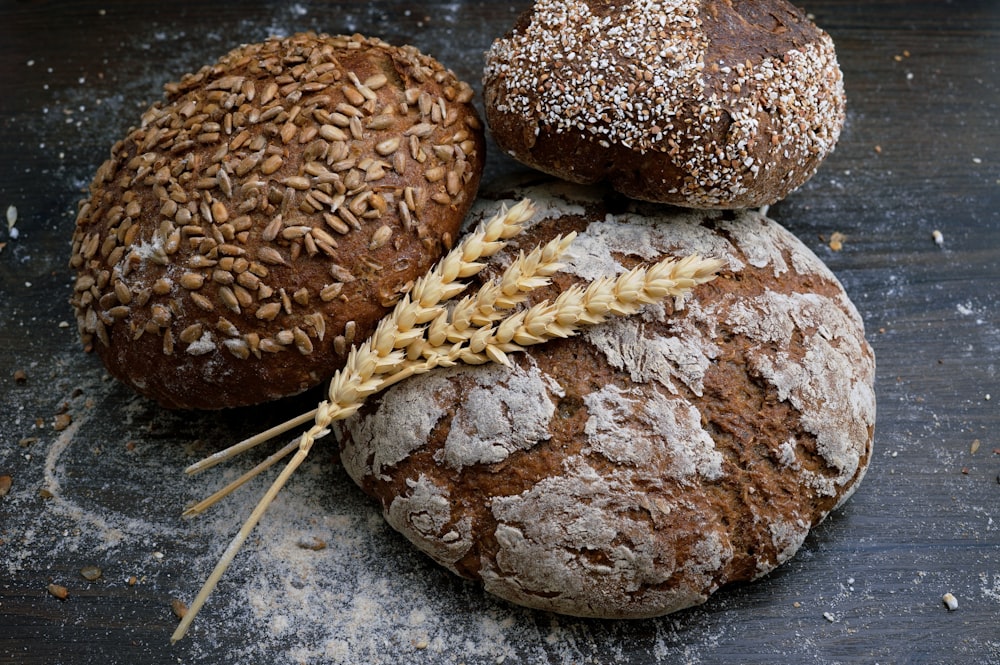
When you have a dedicated bread box, the experience is transformed. There is a satisfying weight to the lid as you lift or slide it open. The aroma of the bread—trapped and concentrated inside the box—is released in a gentle wave. You reach into a clean, dedicated space to retrieve your loaf.
This is "culinary intentionality." By giving your bread its own home, you are acknowledging its importance in your daily life. It turns a mundane task into a sensory ritual.
Countertop Order and Mental Clarity
Visual clutter in the kitchen can contribute to a sense of overwhelm. Bread bags are notoriously difficult to organize—they are odd shapes, they slide around, and they often end up buried under other items.
A bread box is a master of organization. It provides a fixed "place" for your baked goods. Whether it’s a sleek stainless steel roll-top or a rustic wooden box, it hides the visual noise of half-eaten loaves and crinkled bags. It creates a "clean line" on your countertop, which in turn promotes a sense of calm and order in the heart of the home.
Choosing Your Box: Material and Design
Not all bread boxes are created equal. The material you choose will affect both the performance and the aesthetic of your kitchen:
- Wood/Bamboo: Naturally breathable and excellent at regulating moisture. Wood provides a warm, organic look and often features a lid that doubles as a cutting board.
- Stainless Steel: Modern, durable, and very easy to clean. Metal boxes are often designed with precise ventilation holes to ensure the perfect air-water balance.
- Ceramic: Provides a heavy, cool-to-the-touch feel. Ceramic boxes are excellent at maintaining a stable temperature, though they lack the natural breathability of wood.
- Enamelware: For that classic, farmhouse aesthetic. Enamel is non-reactive and easy to sanitize, making it a great choice for families.
The Environmental Edge
Investing in a high-quality bread box also supports a more sustainable lifestyle. If you have a good place to store your bread, you are more likely to buy fresh, plastic-free loaves from a local bakery or even start baking your own.

When you bake your own bread, you control the ingredients—no preservatives, no mysterious dough conditioners. But homemade bread lacks the chemical stabilizers that keep supermarket bread "soft" for weeks. A bread box is the essential companion for the home baker, ensuring that your hard-earned sourdough stays delicious for days.
The Bread Box as a Family Anchor
In many cultures, bread is the center of the meal. By having a physical object in the kitchen that is dedicated solely to bread, you are creating a focal point for family interaction. "Go check the bread box" is a common phrase in homes that value this ritual. It becomes a shared resource, a place where the family knows they can always find sustenance and comfort.
Key Takeaways
- Climate Control: A bread box balances moisture and airflow to keep bread fresher for longer than plastic or refrigeration.
- Sensory Ritual: The act of opening a bread box and releasing the concentrated aroma of bread enhances the culinary experience.
- Visual Order: Hiding messy bags inside a stylish box reduces kitchen clutter and promotes mental clarity.
- Sustainability: A dedicated storage solution encourages the purchase of plastic-free artisanal bread or the habit of home baking.
Actionable Advice
- Mind the Vents: Ensure your bread box isn't pushed too tightly against a wall. The ventilation holes need a little room to breathe to prevent mold.
- Clean Regularly: Every few weeks, empty the crumbs and wipe the inside with a solution of water and vinegar. This prevents any stray mold spores from taking hold.
- Don't Overstuff: A bread box works best when there is a little bit of air circulation around the loaves. If you have a huge family, consider two smaller boxes rather than one overcrowded one.
- Pair with a Good Knife: Keep your bread knife nearby. The ritual is complete when you can go from "box to board to bite" in one seamless motion.
Further Reading
- The Joy of Baking Bread: Finding Flow in the Kitchen
- Joy of Home Fermentation: Gut Health and Flavor
- Pantry Organization for Health and Happiness
- The Art of the Slow Morning News and Breakfast
The bread box is a testament to the idea that some things don't need to be "disrupted" by technology. It is a simple, effective, and beautiful solution to a timeless need. Give your daily bread the respect it deserves, and you might just find that every slice tastes a little bit better.