The Sensory Order: Why a High-Quality Soap Dish is the Anchor of the Bathroom Sanctuary
The Sensory Order: Why a High-Quality Soap Dish is the Anchor of the Bathroom Sanctuary
In the grand scheme of home improvement, the soap dish rarely makes the top of the list. We obsess over the kitchen island, the memory foam mattress, and the smart thermostat. But the humble soap dish? It’s usually an afterthought—a $5 plastic tray from the supermarket or, worse, a built-in ceramic ledge that holds a permanent pool of grey, brackish water.
However, if we look at our homes through the lens of "Sensory Order," the soap dish emerges as one of the most critical objects in our daily lives. As a lifestyle designer, I advocate for the "Architecture of the Micro-Ritual." This is the idea that our mental health is not just built on big vacations or major life changes, but on the cumulative quality of the seconds we spend interacting with the physical world.
The act of washing your hands is a ritual you perform a dozen times a day. If that ritual is centered around a slimy, sliding, or flimsy object, you are injecting a micro-dose of "disorder" into your nervous system. By upgrading to a high-quality soap dish, you are creating an anchor of sensory order that grounds you in the present moment.
The Psychology of Sensory Order
Human beings are wired to seek patterns and order. When our environment is cluttered, messy, or dysfunctional, our brains have to work harder to process the "noise." This is why a messy desk makes it harder to focus.
In the bathroom—a space intended for cleansing and renewal—the presence of "soap scum" or a dissolving bar of soap is a visual and tactile signal of decay. It triggers a subtle, often subconscious, avoidance response. You wash your hands quickly, trying not to touch the mess, and you leave the room feeling slightly more frazzled than when you entered.
Sensory Order is the opposite. It is the feeling of "everything in its place and a place for everything." A high-quality soap dish provides a clear, beautiful, and functional "home" for your soap. It frames the object, elevating it from a utilitarian tool to a sculptural element. This visual clarity lowers cognitive load and signals to your brain that you are in a safe, controlled, and cared-for environment.
Tactile Materials and the 'Haptic Reset'
The magic of a high-quality soap dish lies in its materials. In our digital lives, we spend hours touching glass screens and plastic keyboards. These materials are "tactilely silent"—they offer very little feedback to our nervous system.
When you reach for a soap dish made of natural stone, heavy ceramic, or sustainably harvested wood, you are engaging in a "Haptic Reset."
- The Coolness of Stone: A marble or slate dish is naturally cool. This temperature contrast is an immediate wake-up call for your sensory receptors.
- The Weight of Ceramic: A heavy dish stays put. It doesn't move when you lift the soap. This stability provides a sense of "groundedness" that plastic cannot replicate.
- The Texture of Wood: Teak or cedar dishes offer an organic, slightly rough texture that feels "alive" and connected to the natural world.
These tactile experiences are grounding. They pull your attention away from your racing thoughts and into your fingertips. For those few seconds, you aren't thinking about your 2 PM meeting; you are feeling the weight and texture of the world.
"Quality is not an aesthetic choice; it is a neurological requirement for a calm mind." — Elena Rossi

The Micro-Ritual of Washing: A Lesson in Presence
We often treat hand-washing as a hurdle to be cleared. But if we slow it down, it becomes a perfect "micro-meditation." A high-quality soap dish is the stage for this performance.
- The Approach: You see the soap, perfectly framed in its dish. There is no mess, no slime.
- The Lift: You pick up the bar. Because the dish has proper drainage (a hallmark of quality), the soap is dry and firm. The haptic feedback is pleasant.
- The Lather: You engage the scent of the soap. A quality dish preserves the integrity of the soap, ensuring that the essential oils aren't "leaking" into a pool of water.
- The Return: You place the soap back. The dish receives it with a satisfying sound—the clink of stone on stone or the soft thud of wood.
This sequence takes 20 seconds. But because you are interacting with high-quality materials and a well-designed object, those 20 seconds are restorative. You have successfully "reset" your sensory system.
Engineering the Perfect Drain: The Science of Longevity
A soap dish isn't just a plate; it’s an engineering solution. The enemy of soap is standing water. A cheap dish acts like a bowl, trapping moisture and turning your expensive artisanal soap into a mushy mess.
A high-quality dish uses geometry to fight this. Whether it’s through deep, carved ridges, a slanted base that directs water toward the sink, or a two-piece design with a removable grate, the goal is "airflow." By allowing the soap to dry on all sides, the dish preserves the soap's molecular structure.
This isn't just about saving money (though it does); it’s about "material respect." When we treat our objects with respect—by giving them the conditions they need to last—we develop a more intentional relationship with our consumption. We move away from the "buy-use-toss" cycle and toward a "curate-maintain-enjoy" philosophy.
Aesthetics and the Guest Experience
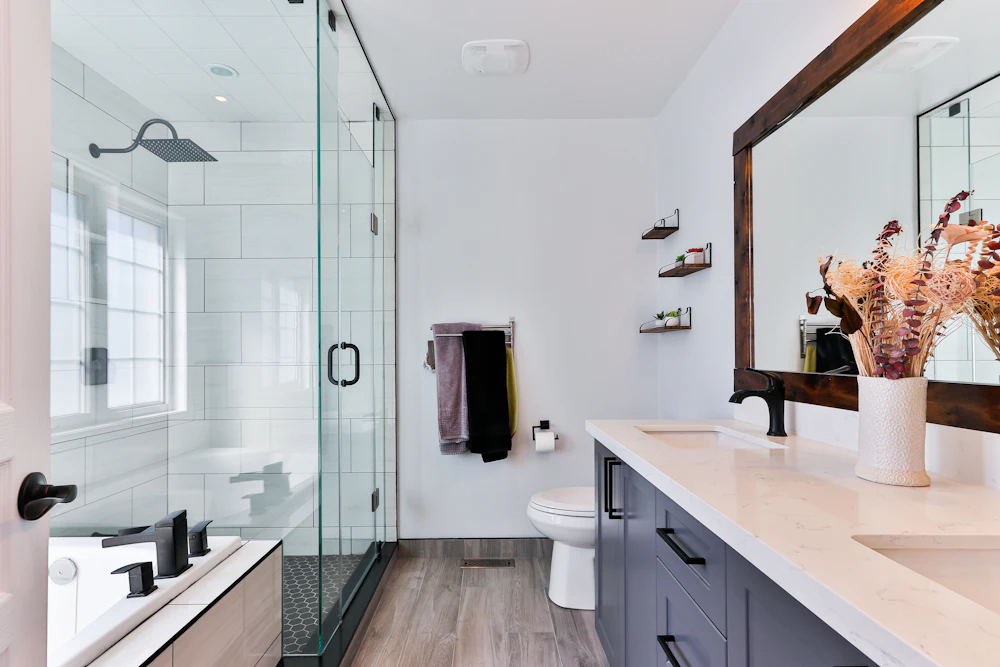
We cannot ignore the social aspect of the soap dish. The guest bathroom is a window into the soul of a home. When a guest enters your bathroom and finds a beautiful, clean soap dish, they receive a non-verbal message of hospitality.
It says, "I have considered the details of your experience." It builds trust and comfort. A guest who has to navigate a messy sink feels like an intruder in a chaotic space. A guest who interacts with a curated sensory environment feels like a welcomed participant in a harmonious one.
Choosing Your Anchor: What to Look For
If you are ready to upgrade your sensory order, look for these features:
- Weight: It should feel substantial. If a guest can accidentally knock it into the sink, it’s too light.
- Non-Slip Base: Look for dishes with silicone feet or a naturally high-friction bottom (like unpolished stone).
- Geometric Drainage: Avoid flat bottoms. You want peaks and valleys that lift the soap off the surface.
- Material Honesty: Choose materials that look like what they are. Avoid "marble-look" plastic. The brain can tell the difference, and the "faked" sensory input is less grounding.
Key Takeaways
- Sensory Order: A high-quality soap dish reduces visual and cognitive clutter, signaling safety and order to the brain.
- Haptic Grounding: Natural materials like stone and wood provide grounding tactile feedback that resets the nervous system.
- Micro-Ritual Mastery: Proper drainage and design turn a mundane chore into a restorative moment of presence.
- Material Respect: Investing in quality engineering preserves the objects we use, fostering a more intentional lifestyle.
- Hospitality Anchor: A curated sink area communicates care and respect to both residents and guests.
Actionable Advice
- The Slime Audit: Go to your bathroom right now. Is your soap sitting in water? If so, your dish has failed. Replace it with a draining model this week.
- Choose Your Texture: Think about what material would feel best to you in the morning. Do you need the "wake-up call" of cool marble or the "warm hug" of cedar?
- Artisanal Pairing: Visit a local farmers' market and buy a high-quality bar of soap to go with your new dish. The combination of scent and haptics is a powerful wellness tool.
- The One-Minute Clean: Once a week, give your dish a quick scrub. Removing the build-up of mineral deposits maintains the sensory order.
- Expand the Concept: If you enjoy the effect in the bathroom, consider adding a similar "sensory anchor" to your kitchen sink or your bedside table.
Further Reading
- DIY Home Spa: Creating a Sanctuary in Your Bathroom
- The Science of Scent: Aromatherapy for Daily Wellness
- Mindful Spending: Why Quality Matters for Mental Health
- The Joy of High-Quality Linen: Sensory Comfort in the Home
- The Art of the Bedside Table: Crafting a Sleep Sanctuary
A soap dish is a small thing, yes. But it is a small thing that you touch every day. By choosing quality, you are choosing to anchor your day in a moment of order, beauty, and sensory delight.