The Philosophy of the Park Bench: Finding Peace and Connection in Public Spaces
The Philosophy of the Park Bench: Finding Peace and Connection in Public Spaces
In the frantic geography of the modern city, there is a piece of infrastructure so humble, so ubiquitous, and so often overlooked that we rarely stop to consider its profound impact on our collective psyche. I am talking about the park bench.
To the casual observer, a park bench is simply a piece of wood and iron—a place to rest tired legs or wait for a bus. But to the psychologist, the urbanist, and the seeker of peace, the park bench is something far more significant. It is a portal to "active stillness." It is a democratic sanctuary where the only requirement for entry is the willingness to sit down.
As someone who studies the intersection of environment and mental health, I’ve spent countless hours "bench-sitting" (strictly for research purposes, of course). What I’ve discovered is that the humble park bench is perhaps the most underrated tool we have for maintaining our sanity in an increasingly digitized and disconnected world.
The Art of Active Stillness
We live in a culture that worships movement. If you aren't "crushing it," "hustling," or "moving the needle," you’re seen as falling behind. Even our leisure time has become performative—we track our steps, we document our hikes, we curate our vacations.
The park bench, however, demands nothing from you. It is the ultimate antidote to the "productivity trap." When you sit on a bench, you are engaging in what I call active stillness. Unlike the passive stillness of sitting on your couch watching Netflix, active stillness involves being fully present in the world without the need to interact with it or change it.
On a bench, you are an observer. You watch the interplay of light and shadow on the grass. You notice the rhythmic swaying of the trees. You see the squirrels engaged in their frantic, tiny dramas. This type of observation—what psychologists call "soft fascination"—is incredibly restorative for the brain. It allows the prefrontal cortex (the part of the brain responsible for focused attention and decision-making) to rest, while the default mode network takes over, fostering creativity and self-reflection.
"A park bench is a democratic island in a sea of private interests. It is one of the few places left where you can exist without being a consumer." — Mark Stevenson, MSc

The Bench as a Democratic Sanctuary
There is a beautiful, radical equality to the park bench. It does not care about your social status, your bank account, or your political leanings. The bench in the center of the park is available to the CEO and the unhoused person alike. For twenty minutes, they are neighbors.
This is what urbanists call a "third place"—a social environment separate from the two usual social environments of home ("first place") and the office ("second place"). Third places are the bedrock of community health. They are where "weak ties" are formed—those casual interactions with people outside our immediate social circle that broaden our perspective and reduce feelings of isolation.
When you sit on a bench, you are part of the public. You are witnessing the "ballet of the sidewalk," as Jane Jacobs famously put it. You see the young couple on their first date, the elderly man feeding the birds, the mother struggling with a stroller. This shared witnessing fosters a sense of empathy and belonging. It reminds us that we are part of a larger, messy, beautiful whole.
The Psychology of People-Watching
Let’s be honest: the primary activity of the bench-sitter is people-watching. And while it might feel like a voyeuristic indulgence, it is actually a deeply empathetic act.
When we watch others in a public space, we are constantly (and often subconsciously) running "simulations" in our minds. We wonder where that woman in the red coat is going. We imagine the conversation between the two teenagers on the opposite bench. This narrative-building is how we develop our social intelligence. It’s how we learn to read body language and understand the complexities of human emotion.
In a world where so much of our interaction is mediated by screens, people-watching provides a "raw" data stream of human behavior. It reminds us of the commonalities of the human experience. We see the same joys, frustrations, and quirks reflected in the strangers around us, and in doing so, our own burdens feel a little lighter.
The "Watcher" and the "Watched"
There is also a subtle psychological benefit to being watched. When you sit on a bench, you are part of the scenery. You are contributing to the "eyes on the street" that make a neighborhood feel safe and lived-in. There is a quiet comfort in knowing that you are seen, even if it’s by a stranger you’ll never meet. It’s a form of social validation that says, "I am here. I am part of this place."
The Environmental Connection: Nature in Micro-Doses
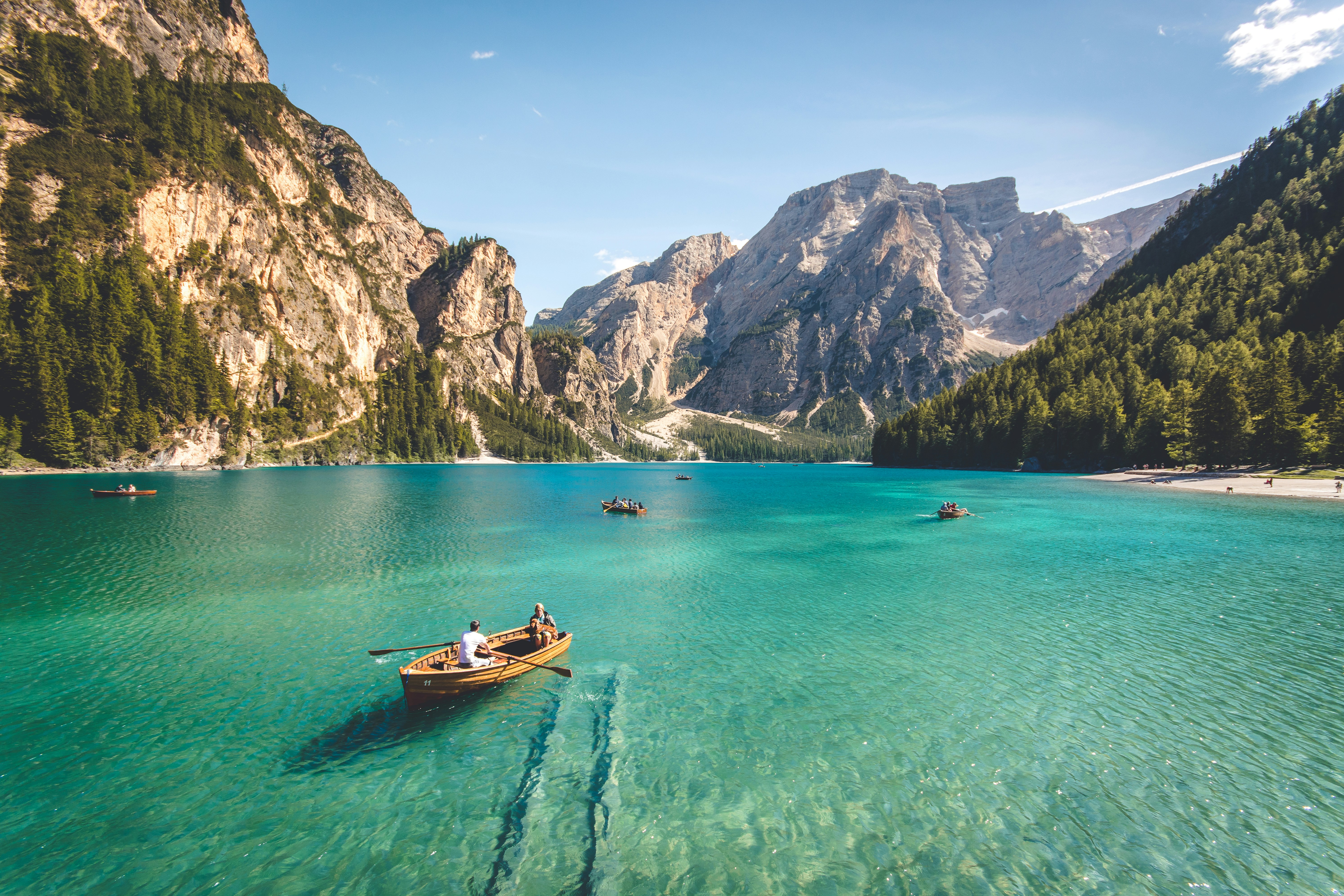
Most park benches are situated, naturally, in parks. This proximity to greenery is vital. Even if you only have ten minutes, sitting on a bench surrounded by trees provides a "micro-dose" of nature that can significantly lower your blood pressure and reduce heart rate variability.
The Japanese concept of Shinrin-yoku, or "forest bathing," doesn't always require a trek into the wilderness. It can happen on a bench in the middle of a city. The key is the sensory engagement: the smell of the damp earth after rain, the sound of the wind through the leaves, the feeling of the sun on your face. These sensory inputs bypass our logical brain and speak directly to our ancient, biological selves, providing a sense of "belonging" to the natural world.
Actionable Advice: The Bench-Sitting Practice
If you’re ready to incorporate the philosophy of the park bench into your own life, here is a simple practice to get you started:
- The "No-Device" Rule: This is essential. If you are on your phone, you aren't on the bench; you’re in the digital ether. Leave the phone in your pocket. Better yet, leave it at home.
- Find Your "Anchor" Bench: Find a bench in your neighborhood that speaks to you. Maybe it has a great view, or maybe it’s tucked away in a quiet corner. Make it "your" spot.
- The 20-Minute Minimum: It takes about 10-15 minutes for the "monkey mind" to settle down. Commit to sitting for at least 20 minutes. The first 10 might feel restless; the second 10 are where the magic happens.
- Practice "Open Awareness": Don't try to meditate in the traditional sense. Just keep your eyes open. Notice what you see, hear, and feel. Let the world wash over you.
- Acknowledge Your Neighbors: If someone sits down on the other end of the bench, a simple nod or a "good morning" is often enough. You don't need to start a deep conversation, but acknowledging their presence reinforces the "third place" connection.
Key Takeaways
- Active Stillness: Bench-sitting allows the brain to rest while remaining engaged with the environment.
- Democratic Space: The bench is a rare public resource that promotes social equality and community bonding.
- Empathy Building: People-watching fosters social intelligence and a sense of shared humanity.
- Soft Fascination: Observing nature in small doses restores our cognitive resources and reduces stress.
- Digital Resistance: Sitting on a bench is a powerful act of reclaiming your attention from the digital world.
Conclusion: The Quiet Revolution
In a world that is constantly screaming for our attention, sitting on a park bench is a quiet act of revolution. it is a declaration that your time is your own. It is an admission that you don't always need to be "doing" to be "being."
The next time you walk past a park bench, don't just see it as a piece of furniture. See it as an invitation. Sit down. Take a breath. Watch the world go by. You might find that the peace you’ve been searching for is waiting for you, right there on the slats of wood and iron.
Further Reading
- Science of Forest Bathing: Why Trees Heal Us
- The Neurobiology of Awe: How Perspective Shifts Reduce Stress
- Joining Local Clubs for Longevity and Happiness
About the Author: Mark Stevenson, MSc, is a psychological researcher who studies the impact of urban environments on mental well-being. He is a firm believer that most of life's problems can be solved (or at least better understood) by twenty minutes on a well-positioned park bench. He lives in a city with many parks and can usually be found on the one near the duck pond.