The Ritual of the Shared Breakfast: Why Starting the Day Together Matters
The Ritual of the Shared Breakfast: Why Starting the Day Together Matters
In our hyper-fast, "grab-a-protein-bar-on-the-way-to-the-train" world, the concept of a sit-down breakfast feels almost like a relic of a bygone era. We’ve been conditioned to view the first hour of our day as a tactical scramble—a race against the clock to get caffeinated, dressed, and logged in. We treat our mornings like a drag race, pushing our engines to the limit before we’ve even had a chance to check the oil. But what if we’ve been looking at the morning all wrong? What if the most productive thing you could do before 9:00 AM isn't clearing your inbox, but sharing a plate of eggs with someone you care about?
As a registered dietitian, I spend a lot of time talking about what we eat. We talk about fiber, protein-to-carb ratios, the importance of hydration, and the latest "superfoods" that promise to unlock eternal energy. But we often overlook the how and the who. The ritual of the shared breakfast is about more than just fuel; it’s about grounding ourselves in community before the chaos of the world takes over. It’s about the soul-level nutrition that no vitamin can provide.
The Science of the Social Table: More Than Just "Nice"
When we eat with others, something magical happens in our biology. It’s not just a warm-and-fuzzy feeling; it’s a measurable, neurochemically significant event. Sharing a meal triggers the release of oxytocin, often called the "bonding hormone" or the "cuddle chemical." While we often associate oxytocin with physical touch or romantic love, it is also released during positive social interactions, particularly those involving shared resources—like food.
This oxytocin release isn't just about feeling close to your breakfast partner. It has a direct, antagonistic relationship with cortisol, our primary stress hormone. Think of oxytocin as the fire extinguisher and cortisol as the fire. Starting your day with a cortisol drop instead of a caffeine-induced spike sets a completely different physiological tone for the next twelve hours. When you begin your day in a state of high cortisol, you are essentially telling your body that you are under threat. This leads to increased heart rate, shallow breathing, and a heightened state of anxiety. Conversely, starting with a shared breakfast tells your body, "We are safe. We are supported. We have enough."
Moreover, social eating encourages "rest and digest" mode—the activation of the parasympathetic nervous system. When you're eating alone at your desk, checking emails, or standing over the kitchen sink while scrolling through social media, your body remains in a low-level state of "fight or flight." Your digestion isn't as efficient because the body is prioritizing blood flow to the limbs and brain rather than the gut. When you sit down with a partner, a roommate, or your children, you naturally slow down. You chew more thoroughly. You listen. You breathe. This shift in state allows for better nutrient absorption and a more mindful relationship with your food.
"The table is the center of the home. When we share our morning meal, we aren't just feeding our bodies; we are nourishing our connections and preparing our minds for the day ahead. A breakfast shared is a day well-begun." — Sarah Williams, RD
The Psychological Anchor: Why We Need Morning Rituals
Humans are ritualistic creatures. From the ancient tea ceremonies of Japan to the Sunday roasts of the UK, rituals provide a sense of structure and safety in an unpredictable world. The morning, in particular, is a vulnerable time. We are transitioning from the subconscious world of sleep into the demanding world of reality. Without an anchor, it’s easy to feel adrift.
Sharing breakfast acts as a psychological "check-in." It’s a moment to calibrate your internal compass. When you ask a loved one, "How did you sleep?" or "What’s on your mind for today?", you are performing a micro-assessment of your support system. You are reminding yourself that you don't have to face the world alone. For children, this ritual is even more critical. Research shows that families who eat together have children with higher self-esteem, better academic performance, and lower rates of behavioral issues. The morning meal provides a consistent touchstone of stability before they head off into the social complexities of school.
The Power of the 15-Minute Window
I often hear clients say, "Sarah, I barely have time to brush my teeth, let alone have a 'shared ritual'." I understand. The modern schedule is a relentless beast. But here’s the secret: The "Shared Breakfast" doesn't require a tablecloth and a three-course menu. It requires presence.
If you can find just 15 minutes, you can change your entire day. That’s all it takes to sit, look someone in the eye, and share a small moment of humanity. This small window of shared intention acts as an emotional anchor. When the inevitable stress of work or school hits later in the morning—the rude email, the traffic jam, the forgotten deadline—you have a baseline of calm and connection to return to. You’ve already "won" the morning by connecting with what truly matters.
Nutritional Benefits: The Hidden Upside of Social Eating
From a purely nutritional standpoint, sharing breakfast often leads to better choices. Let's be honest: when we eat in isolation, we are much more prone to "junk-food-jitters." We grab the sugary granola bar, the leftover pizza, or just a large latte and hope for the best. We aren't being watched, and more importantly, we aren't being cared for by ourselves or others.
When we prepare a meal for two or more, the "hospitality instinct" kicks in. We want the meal to be nourishing. We are more likely to include the building blocks of a healthy day:
- Complex Carbohydrates: Think steel-cut oats with cinnamon or a thick slice of whole-grain sourdough. These provide a slow release of glucose, keeping your brain fueled without the crash.
- High-Quality Proteins: Soft-scrambled eggs, Greek yogurt, or even a side of smoked salmon. Protein is essential for neurotransmitter production—the chemicals that regulate your mood.
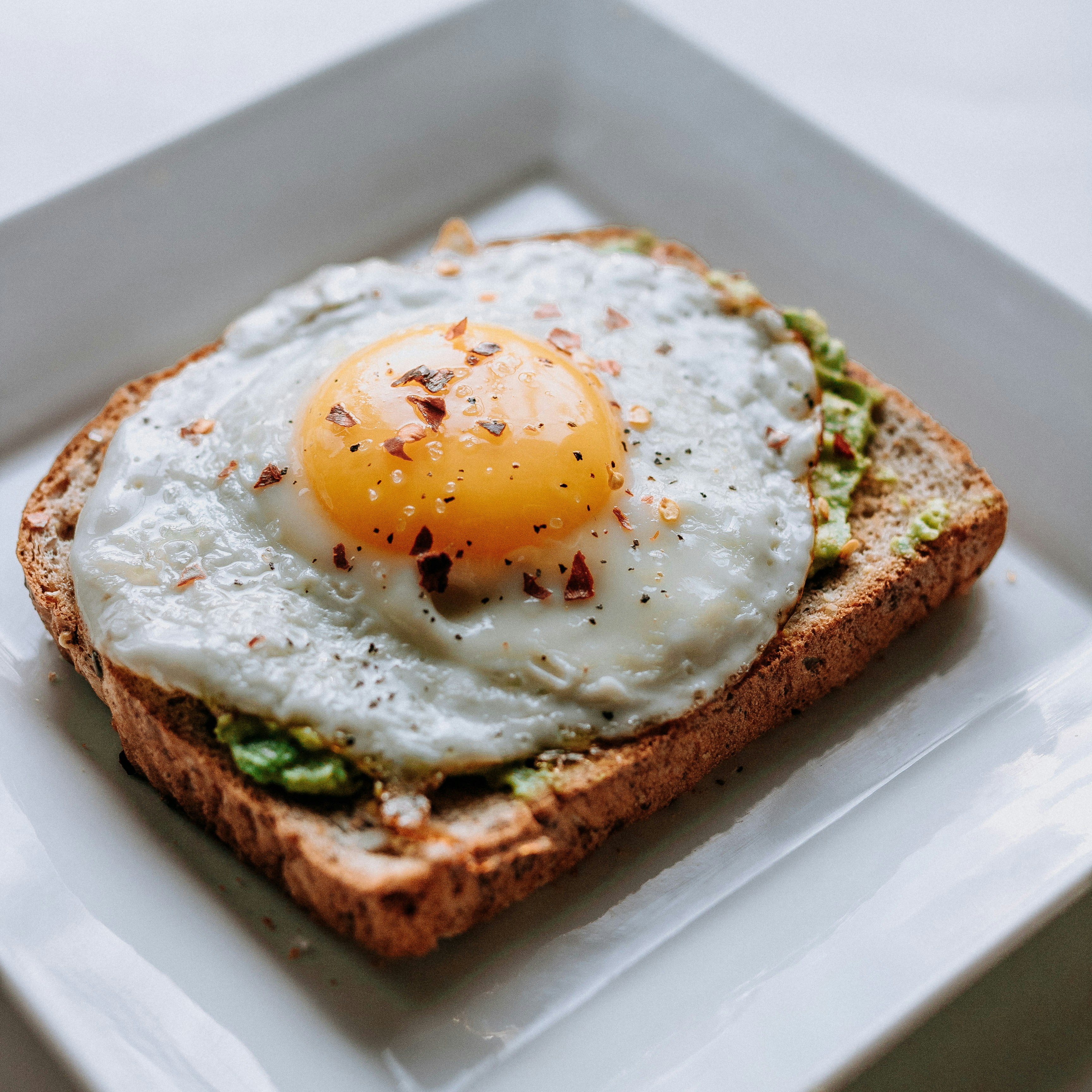
- Healthy Fats: Avocado, walnuts, or a drizzle of extra virgin olive oil. Fats are the brain's preferred long-term fuel source and are crucial for hormone health.
- Fiber-Rich Plants: Fresh berries, sliced tomatoes, or a handful of sautéed spinach. Fiber is the secret weapon for gut health, and a healthy gut is directly linked to a healthy mind.
The "Satiety Synergy" and Mindful Consumption
There’s also a fascinating phenomenon I call "Satiety Synergy." Clinical studies have consistently shown that people who eat in a social setting tend to feel more satisfied with smaller portions than those who eat alone. This isn't because they are trying to be polite; it's because the brain is receiving multiple forms of "fullness" simultaneously.
You are being "fed" by the conversation, the laughter, the eye contact, and the shared environment. When you eat alone while distracted, your brain often misses the "I'm full" signals from your stomach because it's too busy processing information from your screen. In a shared breakfast, the pace of the meal is naturally slower. You pause to speak, you pause to listen. This gives your digestive hormones (like leptin and cholecystokinin) time to travel from your gut to your brain and say, "We're good here!"
Overcoming the Obstacles: A Practical Guide to Reclaiming the Table
If you're ready to make the shift but feel overwhelmed by the logistics, don't worry. Here is my "No-Stress Guide" to building a shared breakfast habit:
1. The Low-Friction Prep
The biggest enemy of the shared breakfast is the "Where's the spatula?" scramble. Take five minutes before you go to bed to set the stage. Put the kettle on the stove, lay out the bowls, and put the oats in the pot. By reducing the "activation energy" required in the morning, you make the ritual much more likely to happen.
2. The "No-Phone" Mandate
This is the most important rule. A shared breakfast with phones on the table is just two people eating alone in the same room. The digital world is a predator of presence. Keep the phones in another room, or at the very least, put them in a "phone stack" far away from the plates. If you're using a phone for a long-distance breakfast date, keep the camera on but the notifications off.
3. Simplicity is Sophistication
You don't need to be a Michelin-star chef to have a meaningful breakfast. Some of my favorite shared mornings involve nothing more than a shared plate of sliced apples and cheese, or a simple bowl of yogurt with honey. The goal is the interaction, not the presentation. If cooking feels like too much, focus on assembly.
4. The "Virtual" Table for Solo Dwellers
Living alone doesn't mean you have to miss out on the benefits. We live in an age where we can be "present" across thousands of miles. Arrange a "Breakfast & Coffee" call with a friend or a parent once or twice a week. Set your phone or laptop up at eye level on the table, and eat together. It’s a powerful way to combat the isolation that often plagues those who work from home or live by themselves.
5. Start Small
Don't try to go from zero to seven days a week. Start with "Shared Tuesdays" or "Friday Morning Reflections." Once you feel the benefits—the improved mood, the steady energy, the deeper connection—you'll find yourself naturally wanting to expand the ritual.
Actionable Advice: Your 7-Day Shared Breakfast Challenge
Ready to put this into practice? Here is a simple plan to get you started this week:
- Day 1 (Preparation): Identify your "breakfast partner" (partner, roommate, child, or virtual friend) and agree on a 15-minute window for tomorrow.
- Day 2 (The Launch): Have your first shared meal. Keep it simple. No phones. Ask: "What’s one thing you’re excited about today?"
- Day 3 (The Observation): Pay attention to your energy levels around 11:00 AM. Do you feel more stable than usual?
- Day 4 (The Variation): Try a new, simple recipe together. Maybe some overnight oats or a quick frittata.
- Day 5 (The Reflection): Notice the "vibe" in your home. Is it calmer? Is there less friction in your morning interactions?
- Day 6 (The Outreach): If you usually eat with a housemate, invite a neighbor or a friend for a quick morning coffee and toast.
- Day 7 (The Evaluation): Sit down and decide which parts of the ritual you want to keep for the long haul.
Key Takeaways for a Healthier Morning
- Biological Harmony: Shared meals trigger oxytocin, which naturally suppresses cortisol and reduces stress.
- Digestive Efficiency: Eating in a social, relaxed environment activates the parasympathetic nervous system, leading to better nutrient absorption.
- Mindful Choices: Preparing food for others encourages the inclusion of protein, healthy fats, and fiber, leading to sustained energy.
- Emotional Resilience: A morning "check-in" provides a psychological anchor that helps you navigate daily stressors with more grace.
- Connection over Perfection: The value of the ritual lies in the presence of the people, not the complexity of the menu.
Conclusion: Reclaiming Your Humanity, One Bite at a Time
In the end, the ritual of the shared breakfast is an act of rebellion. It is a refusal to let the "efficiency" of the modern world strip away our most basic human needs. We are social animals, built for connection, storytelling, and shared nourishment. When we rush through our mornings in isolation, we are denying ourselves the very things that make life worth living.
By reclaiming this small pocket of time, you aren't just improving your metabolic health or your productivity levels. You are making a statement about your priorities. You are saying that the people in your life are more important than your inbox. You are saying that your peace of mind is more valuable than your "hustle."
So tomorrow, don't just grab a bar and run. Set the alarm fifteen minutes earlier. Put the kettle on. Wake up your partner, call your mom, or sit down with your kids. Break bread, share a laugh, and start your day with the most powerful supplement in the world: each other.
Further Reading
- Mindful Eating: Healing Your Relationship with Food
- The Art of the Slow Morning Brew
- The Science of Hygge: Finding Comfort in the Everyday
About the Author: Sarah Williams, RD, is a Registered Dietitian who specializes in intuitive eating and weight-neutral wellness. She firmly believes that how we eat is just as important as what we eat. Her favorite morning ritual is sourdough toast with almond butter and a very large cup of Earl Grey tea shared with her husband and their very hungry golden retriever, Barnaby.