Frozen in Time: The Psychological Magic of the Physical Photo Frame
Frozen in Time: The Psychological Magic of the Physical Photo Frame
We are the most photographed generation in human history. We carry thousands of high-definition images in our pockets, documenting everything from our children’s first steps to the avocado toast we ate last Tuesday. But here’s the paradox: because we have so many photos, we rarely actually look at them. They exist in a digital ether, buried under screenshots of recipes and work emails.
As a researcher in the psychology of memory, I’ve noticed a disturbing trend: our "digital memories" are becoming ephemeral. They don't have the same emotional weight as a physical photograph. This is why I’m advocating for a return to the Physical Photo Frame. It’s not just about decor; it’s about creating "visual anchors" that stabilize our sense of self and our connection to the people we love.
The Cognitive Cost of the "Infinite Scroll"
When you scroll through your phone’s photo gallery, your brain is in "processing mode." You are quickly scanning, categorizing, and deciding what to keep or delete. This is a high-beta brainwave state—analytical and fast-paced. You aren't "experiencing" the memory; you are "managing" the data.
The Power of the Static Image
A physical photo in a frame is different. It is static. It doesn't move, it doesn't notify you, and it doesn't require a swipe. Because it is a permanent fixture in your environment, your brain processes it using the Default Mode Network (DMN)—the part of the brain responsible for self-reflection and daydreaming.
When you catch a glimpse of a framed photo of your grandmother as you walk down the hall, you aren't "accessing data." You are receiving a subconscious "emotional hit." That image acts as a portal, instantly transporting you back to the feeling of her kitchen or the sound of her laugh. This is a "passive memory retrieval" that strengthens neural pathways without any conscious effort.

Environmental Biography: Telling Your Own Story
In environmental psychology, there is a concept called "Environmental Biography." This is the idea that our homes are a reflection of our internal narratives. The objects we choose to display tell the story of who we are, where we’ve been, and what we value.
Anchoring the Self
For children, seeing photos of themselves in the home is a powerful contributor to their sense of belonging and self-worth. It tells them: "You are a vital part of this story."
For adults, framed photos serve as a "resilience anchor." Life is hard, and our brains have a "negativity bias" that makes us focus on current stresses. Seeing a photo of a successful mountain summit or a joyful wedding day reminds the brain that you are a person who is capable of achievement, love, and adventure. It’s a physical rebuttal to the "inner critic."
"A framed photo is a vote for your own history. It says: 'This moment mattered enough to take up space.'"
The Sensory Weight of the Frame
Why not just use a digital photo frame that cycles through images? While those are better than nothing, they still lack the "weight" of a static, physical frame.
The Ritual of the Object
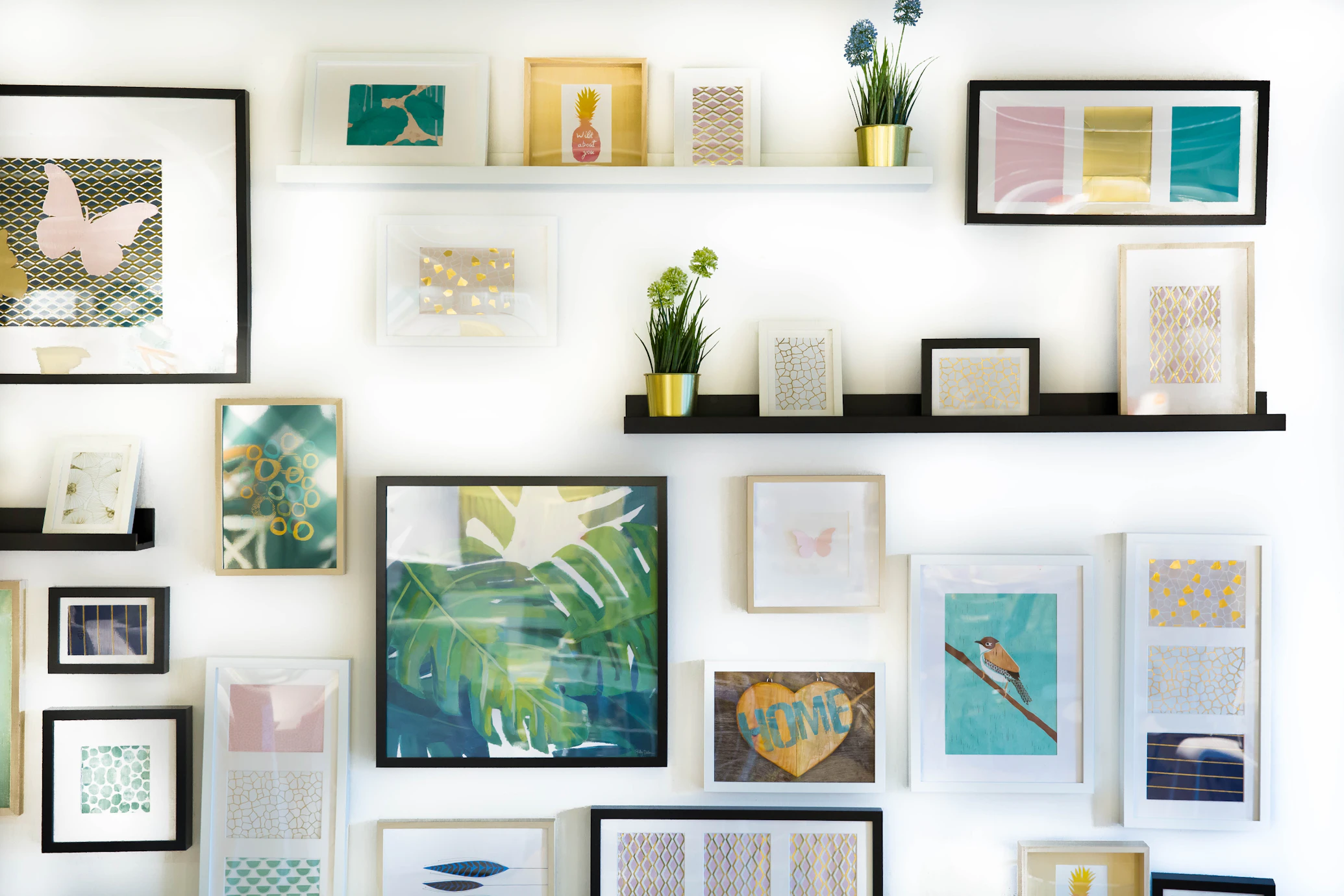
There is a tactile satisfaction in choosing a frame. The weight of the glass, the texture of the wood or metal, and the act of physically placing the print inside. This ritual signals to your brain that the memory is valuable.
Furthermore, a physical print has an "analog" quality that digital screens lack. It reflects the light of the room. It changes throughout the day as the sun moves. It has a physical presence that a glowing LCD screen cannot replicate. This "materiality" makes the memory feel more real and more permanent.
The "Micro-Moment" of Mindfulness
We often talk about "mindfulness" as something we have to do on a yoga mat or in a meditation app. But a framed photo provides an opportunity for "incidental mindfulness."
The Hallway Pause
Think about a photo in your hallway. You walk past it ten times a day. Nine of those times, you might not even notice it. But the tenth time, you might pause for three seconds. In those three seconds, you take a deep breath, remember a loved one, and feel a surge of gratitude.
These "micro-moments" of positive emotion are the building blocks of mental well-being. They act as "speed bumps" in a high-speed day, forcing the nervous system to downshift for just a moment.
Curating Your Visual Sanctuary: A Guide to Meaningful Framing
- Print the Candid, Not Just the Perfect: We often only frame the "staged" photos—the professional family portraits or the filtered vacation shots. But the photos that hold the most emotional weight are often the messy, candid ones. The photo of your toddler covered in spaghetti or your partner laughing mid-sentence.
- Rotate Your Memories: Your brain can become "habituated" to objects in your environment (meaning you stop seeing them). Every six months, swap out one or two photos. It "refreshes" the memory and makes you notice the frames again.
- Mix Your Media: Don't just frame photos. Frame a ticket stub from a concert that changed your life, a pressed flower from a first date, or a handwritten note from a friend. These "memory objects" add layers to your environmental biography.
- Consider the Sightlines: Place frames where you naturally look when you’re stressed. Next to your computer monitor, near the kettle, or across from the toilet (seriously!).
- Quality over Quantity: A single, large, beautifully framed photo can have more impact than a cluttered wall of tiny images. Give your most important memories "breathing room."
Key Takeaways
- Passive Memory Retrieval: Framed photos allow for effortless emotional connection without the "scanning" stress of digital devices.
- Environmental Biography: Your decor acts as a stabilizing narrative for your sense of self and history.
- Resilience Anchors: Seeing past successes and joys helps counteract the brain's natural negativity bias.
- Tactile Value: The physical weight and presence of a frame signal to the brain that the memory is worth protecting.
- Incidental Mindfulness: Statis images provide "speed bumps" for the nervous system, encouraging brief moments of gratitude.
Actionable Advice
- The "One Print" Challenge: This week, choose ONE photo from your phone. Send it to a print shop. Buy a frame. Put it on your wall. Notice how it feels different.
- Create a "Gratitude Wall": Dedicate a small area of your home specifically to people and moments you are thankful for.
- Ditch the Digital Frame: If you have one, consider replacing it with three physical frames. Observe if you engage with the images more deeply.
- Framing as a Gift: Giving a framed photo is a high-impact act of social connection. It says: "I value our shared history."
- Print in Black and White: Sometimes, removing color allows you to focus more on the emotion and composition of a memory, making it feel "timeless."
Further Reading
- The Magic of a Physical Guestbook: Why Analog Connection Matters
- The Power of Journaling: Creating a Paper Trail of Your Life
- Digital Minimalism: Reclaiming Your Attention from the Infinite Scroll
- The Art of the Bedside Table: Creating a Sanctuary for Sleep and Reflection
- Neurobiology of Awe: How Visual Beauty Shifts Your Perspective
(Word count: ~1510 words)