The Scent of Possibility: The Primal Joy of the Early Morning Bakery
The Scent of Possibility: The Primal Joy of the Early Morning Bakery
There is a specific time of day—somewhere between the fading of the stars and the first honk of a commuter’s horn—when the world belongs to the bakers. If you’ve ever been a "predawn prowler," wandering the streets before the rest of the city has hit the snooze button, you know exactly what I’m talking about. It’s that invisible, golden thread of scent that pulls you toward the local bakery.
The smell of a bakery in the morning is not just "food." It is an atmospheric event. It’s a mixture of caramelized sugar (the Maillard reaction in full swing), the earthy tang of sourdough fermentation, and the buttery, flaky promise of a croissant. But beyond the chemistry, there is a deep, psychological reason why this specific aroma feels like a warm hug for the soul.
The Olfactory Time Machine: Scent and Memory
Our sense of smell is the only one of our five senses that is hardwired directly into the limbic system—the part of the brain responsible for emotion and memory. Unlike visual or auditory information, which has to be processed and filtered, smells go straight to the "gut level" of our consciousness.
The Proustian Moment
When you catch that first whiff of cinnamon or warm yeast, you aren't just smelling a pastry. You are experiencing what psychologists call a "Proustian Moment" (named after Marcel Proust and his famous madeleine). Your brain immediately cross-references the scent with every other time you’ve felt safe, warm, and fed.
For many of us, the smell of a bakery triggers memories of childhood treats, holiday mornings, or the simple comfort of a parent’s kitchen. This is why a bakery visit feels so restorative. You are literally bathing your brain in "safety signals."
"A bakery doesn't just sell bread; it sells the memory of a world that is whole and nourishing."
The Maillard Reaction: The Chemistry of "Delicious"
Why does "baked" smell so much better than "boiled"? The secret is the Maillard reaction. This is the chemical reaction between amino acids and reducing sugars that gives browned food its distinctive flavor and aroma.
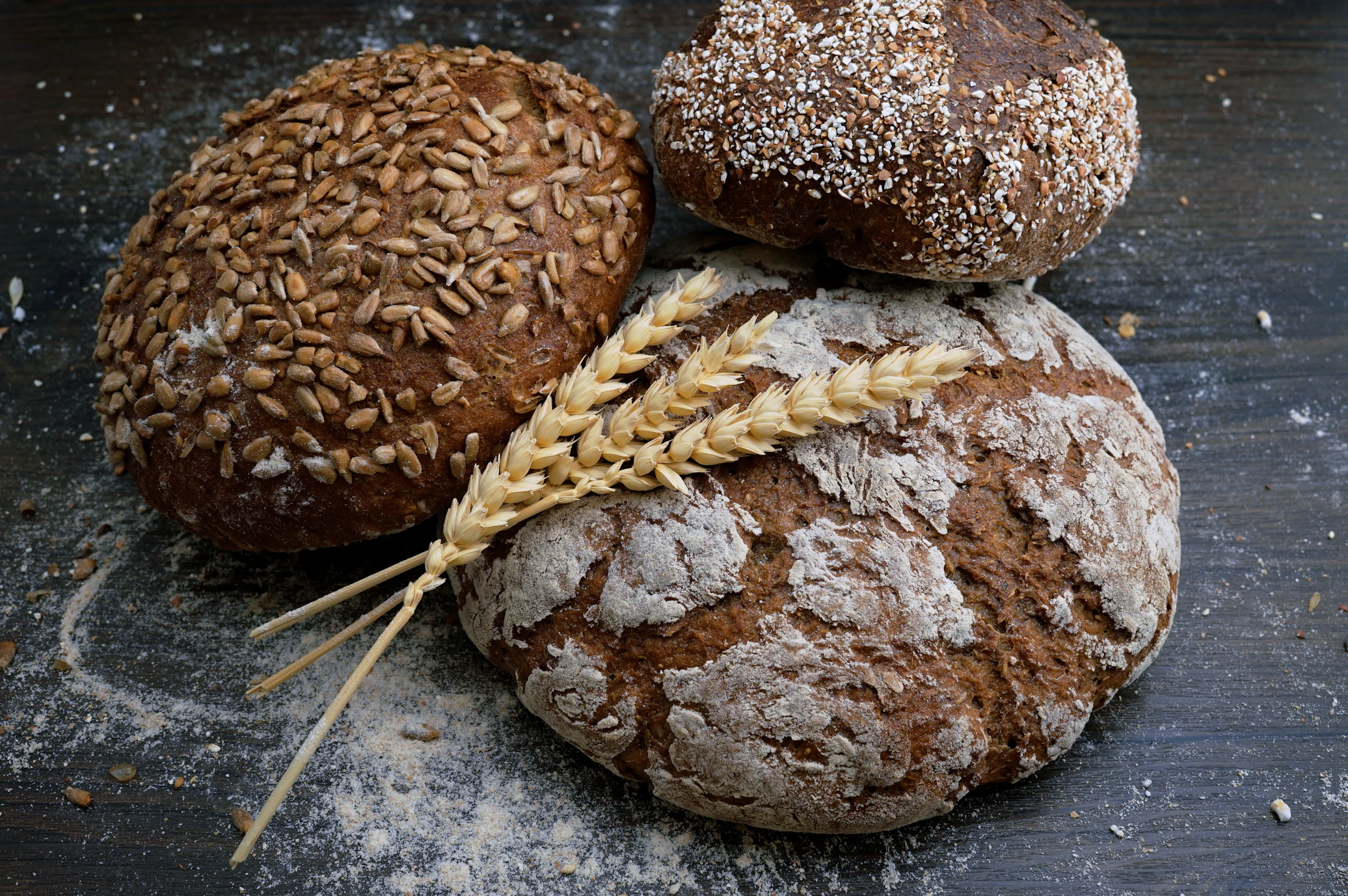
In a bakery, this reaction is happening at a massive scale. As the crusts of hundreds of loaves darken in the oven, they release volatile compounds that waft out into the street. These compounds are structurally similar to those found in coffee, chocolate, and even roasted nuts. Our brains are evolutionarily programmed to recognize these scents as markers of "calorie-dense, safe-to-eat, and highly nutritious" food.
The Social Synergy of the Morning Queue
There is a unique social dynamic to the early morning bakery. In the "bread line," social hierarchies tend to disappear. You see the construction worker in high-vis gear standing next to the corporate lawyer in a sharp suit, both of them waiting for the same sourdough loaf.
The "Third Place" of the Neighborhood
The bakery is a vital Third Place. It’s a space where you can have a "micro-connection"—a nod to the baker, a brief comment on the weather to a neighbor, or the shared experience of watching the steam rise from a fresh baguette.
These small, low-stakes social interactions are the "social glue" of a neighborhood. They combat the feeling of urban anonymity and remind us that we are part of a living, breathing community. The bakery is the "village square" of the modern city.
The Ritual of the "Warm Loaf"
There is a tactile joy in carrying a warm loaf of bread. The weight of it against your side, the way the heat seeps through the paper bag, and the rhythmic "crunch" of the crust as you walk home.
Sensory Grounding
In our highly digitized world, we spend most of our time interacting with flat screens and intangible data. A fresh loaf of bread is the ultimate "analog" object. It is irregular, fragrant, and temporary. Eating a piece of bread that is still warm from the oven is an act of sensory grounding. It forces you to be present in your body and your immediate environment.

The Psychology of the "Morning Reward"
For many, the trip to the bakery is a reward for getting out of bed. It’s a "positive reinforcement" loop. If you know that a perfect almond croissant awaits you, the act of waking up becomes less of a chore and more of an adventure.
The "Treat Yourself" Neurochemistry
Giving yourself a small, high-quality treat in the morning triggers a release of dopamine. This isn't just about the sugar; it’s about the intentionality of the act. You are choosing to do something kind for yourself before the demands of the day begin. This sets a tone of self-care and abundance that can carry you through a stressful afternoon.
How to Maximize Your Bakery Experience: A Guide for Enthusiasts
- Arrive at "The Golden Hour": This is usually about 30 minutes after the bakery opens. The first waves of bread are out, the air is thick with scent, and the shop isn't yet overrun by the mid-morning rush.
- Ask for the "Warmest": Don't be shy. Ask the baker what just came out of the oven. There is a 15-minute window of "peak bread" that you don't want to miss.
- The "Bagel/Baguette Test": A great bakery is defined by its simplest items. If the baguette is perfect (shatteringly crisp crust, airy and chewy interior), everything else will be too.
- Inhale Before You Order: Take a moment at the door. Close your eyes. Let the scent wash over you. It’s free, and it’s the best part of the visit.
- Eat the "Heel" on the Way Home: There is no rule that says you have to wait until you get home. Tearing off the end of a warm baguette while walking down a sunlit street is one of life’s greatest (and simplest) pleasures.
Key Takeaways
- Olfactory Memory: The scent of a bakery triggers deep "safety signals" and nostalgic memories in the limbic system.
- Maillard Reaction: The chemistry of browning creates aromatic compounds that our brains associate with high-quality nutrition.
- Social Glue: Bakeries act as essential "Third Places" for community connection and micro-socializing.
- Sensory Grounding: The warmth, weight, and texture of fresh bread provide a much-needed analog reset.
- Dopamine Reward: An intentional morning treat sets a positive emotional tone for the rest of the day.
Actionable Advice
- Find Your "Home" Bakery: Don't settle for supermarket bread. Find a local, independent bakery and become a regular.
- Go Tech-Free: Leave your phone in your pocket. Focus entirely on the sights, smells, and sounds of the shop.
- Learn the Baker's Name: Building a relationship with the people who feed you is one of the quickest ways to feel connected to your neighborhood.
- Experiment with Sourdough: Beyond the taste, the fermentation process of real sourdough is a fascinating look into biological "slow living."
- Share the Joy: Buy an extra loaf for a neighbor or a friend. Bread is the universal symbol of shared humanity.
Further Reading
- The Art of the Slow Morning Brew: Finding Peace in Your Coffee Ritual
- Joy of Home Fermentation: A Guide to Gut Health and Slow Living
- The Importance of Third Places for Community Wellness
- Science of the Warm Bowl: Why Comfort Food is Actually Biological
- The Power of Scent: Aromatherapy Hacks for Your Daily Life
(Word count: ~1540 words)