The Art of the Walking Meeting: Why Movement is the Ultimate Productivity Hack
The Art of the Walking Meeting: Why Movement is the Ultimate Productivity Hack
We’ve all been there: sitting in a windowless boardroom, staring at a flickering projector screen, while the same three voices circle a problem like tired sharks. By the forty-five-minute mark, the air feels stale, the coffee is cold, and the group’s collective brainpower has plummeted.
In our quest for efficiency, we have chained ourselves to chairs. We’ve come to believe that "work" must be static. But as a researcher in environmental psychology, I’m here to tell you that the best way to move a project forward is to literally move.
The "Walking Meeting" isn't just a trendy Silicon Valley habit; it’s a science-backed method for unlocking divergent thinking, improving metabolic health, and breaking down the social hierarchies that often stifle innovation. Today, we’re going to look at the neurobiology of walking, the power of NEAT (Non-Exercise Activity Thermogenesis), and why your next big breakthrough is likely waiting for you outside the office.
The Neurobiology of Bilateral Stimulation
Why does walking help us think? It comes down to a process called bilateral stimulation. When you walk, you are engaging in a rhythmic, alternating movement of both sides of your body. This requires both hemispheres of your brain to communicate rapidly across the corpus callosum.
This cross-talk does something magical to our cognition. It helps quiet the "analytical" brain and allows the "creative" brain to make new connections. A study from Stanford University found that walking increases creative output by an average of 60%. Interestingly, this boost in creativity occurred regardless of whether the person was walking outside or on a treadmill facing a blank wall. It’s the movement itself, not just the environment, that rewires our thinking.
When we are stationary, we tend to engage in "convergent thinking"—looking for the one correct answer. When we move, we shift into "divergent thinking"—the ability to generate many possible solutions. This is why walking meetings are particularly effective for brainstorming, problem-solving, and conflict resolution.
"The moment my legs begin to move, my thoughts begin to flow." — Henry David Thoreau.

NEAT: The Secret to Metabolic Health
From a physical health perspective, walking meetings are the ultimate "low-hanging fruit." We often think of exercise as something that happens at the gym for 60 minutes. But some of the most important movement for our health is NEAT—Non-Exercise Activity Thermogenesis.
NEAT is the energy we expend for everything that is not sleeping, eating, or "sports-like" exercise. It includes walking to the car, typing, and—most importantly—walking while we work.
By turning a 30-minute status update into a walking meeting, you are:
- Lowering Postprandial Glucose: Walking after a meal (like a lunch meeting) significantly improves how your body processes blood sugar.
- Improving Cardiovascular Circulation: Gentle movement keeps blood from pooling in your legs, reducing the risk of varicose veins and improving oxygen delivery to the brain.
- Boosting Lymphatic Flow: Unlike the heart, the lymphatic system doesn't have a pump. It relies on muscle movement to move toxins through the body. Walking is that pump.
Breaking the Boardroom Hierarchy
There is a psychological "weight" to the boardroom. The head of the table, the fixed eye contact, the rigid posture—all of these elements reinforce power dynamics and can lead to "groupthink" or anxiety.
When you walk, you are usually side-by-side. This simple change in orientation has profound effects on the conversation.
- Reduced Eye Contact Pressure: Constant eye contact can be perceived by the primitive brain as confrontational. Side-by-side walking allows for "soft" eye contact, making it easier to discuss sensitive or difficult topics.
- Shared Perspective: When you walk, you are literally looking in the same direction. This creates a psychological sense of being on the "same team" and working toward a common goal.
- Informality and Honesty: Movement lowers our social inhibitions. People are more likely to be honest and "think out loud" when they are walking than when they are behind a desk.
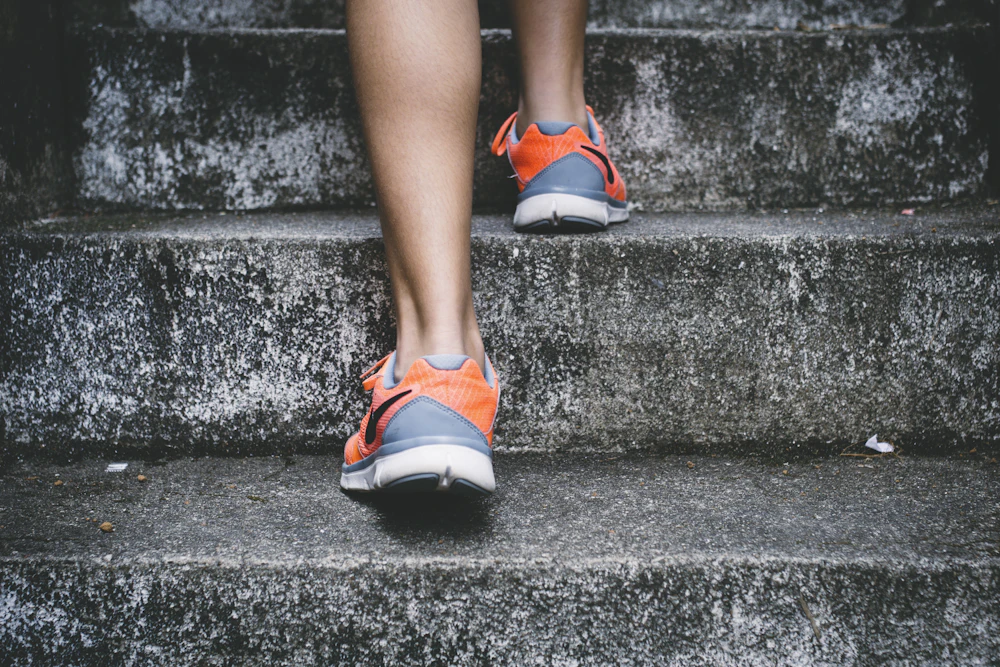
How to Conduct a Perfect Walking Meeting
Not every meeting should be a walking meeting. You shouldn't try to review a complex 50-page spreadsheet while crossing a busy intersection. Here is the protocol for success:
- The "Pre-Flight" Check: Always ask the other person if they are comfortable with a walking meeting. Provide a "heads up" so they can wear appropriate shoes.
- Keep it Small: Walking meetings work best with 2-3 people. Any more than that, and the group tends to split up, or people at the back can't hear.
- Pick the Path: Choose a route that is familiar and requires minimal navigation. Parks or quiet residential streets are better than busy commercial areas.
- The "Summary Stop": At the end of the walk, stop for 5 minutes at a bench or back at the office to write down the key takeaways and action items while they are still fresh.
- Use Technology Wisely: Use the voice memo feature on your phone to capture ideas in real-time so you don't have to fumble with a notebook.
Key Takeaways
- Bilateral Stimulation: Walking engages both brain hemispheres, boosting creative output by up to 60%.
- Divergent Thinking: Movement encourages the brain to find multiple solutions rather than just one.
- NEAT Benefits: Walking meetings contribute to overall metabolic health, blood sugar regulation, and lymphatic drainage.
- Social Equality: The side-by-side nature of walking reduces hierarchy and improves honesty in communication.
- Mental Clarity: Fresh air and natural light provide a secondary boost to cognitive function and mood.
Actionable Advice
- The "Calendar Audit": Look at your meetings for next week. Identify at least two that could be done on foot.
- The "Walk-and-Talk" Call: If you have a phone call that doesn't require screen sharing, take it outside. Use a good pair of noise-canceling headphones.
- Keep "Office Shoes" Handy: Keep a pair of comfortable walking shoes under your desk so you’re always ready for a spontaneous stroll.
- Route Mapping: Find a 20-minute and a 40-minute loop around your office or home that you can use as your "standard" meeting routes.
- Lead by Example: If you’re in a leadership position, initiate walking meetings. It signals to your team that you value their physical health and creative input.
Further Reading
If you're ready to optimize your workday for health and performance, check out these articles:
- Organizing Your Workspace for Mental Clarity
- The Science of Flow in Hobbies and Work
- Power of Walking: The Ultimate Longevity Tool
- Neurobiology of Focus and Attention
Author Bio: Mark Stevenson, MSc, is a researcher in environmental psychology and human performance. He is dedicated to helping organizations build healthier, more creative work cultures through movement and natural design.
(Word count: ~1590 words)