The Joy of Thrifting: How the 'Thrill of the Hunt' Boosts Your Wellness
The Joy of Thrifting: How the 'Thrill of the Hunt' Boosts Your Wellness
In a world of two-day shipping and "Buy Now" buttons, the act of shopping has become efficient, predictable, and—dare I say—a little bit boring. We are fed by algorithms that know what we want before we do, leading to a shopping experience that is high in convenience but low in soul.
As a health and fitness blogger, I usually focus on the "output" of wellness—how many miles you ran or what you ate for breakfast. But lately, I’ve been fascinated by the "input" of our leisure time. One activity that consistently shows up as a mood-booster for my clients and myself is Thrifting.
Whether it’s a dusty antique mall, a curated vintage shop, or a neighborhood charity store, thrifting is a multi-layered wellness practice. It combines the neurochemistry of "The Hunt," the mindfulness of non-linear browsing, and the deep ethical satisfaction of circular fashion. Today, we’re going to explore why thrifting is the ultimate "slow living" hack for your mental health.
The Neurochemistry of the "Treasure Hunt"
To understand why thrifting feels so good, we have to look at our evolutionary history. For millions of years, humans were foragers. Our brains are hardwired to release a surge of dopamine when we find something valuable in an unpredictable environment.
In a modern retail store, there is no "find." Everything is stocked in rows, and you know exactly what’s available. But in a thrift store, you are a modern-day gatherer. Every rack of clothes or shelf of mismatched dishes is a potential "win."
When you finally pull that perfectly aged leather jacket or that mid-century modern lamp from a pile of "junk," your brain’s reward system fires off. This isn't just "retail therapy"; it’s the satisfaction of a successful hunt. This kind of dopamine is different from the "cheap" dopamine of scrolling social media—it requires physical effort, patience, and a "trained eye," making the reward feel earned.
"Thrifting is the antidote to the algorithm. It forces you to rely on your own taste and intuition rather than being told what to like by a machine." — Jordan Smith, Biohacking Enthusiast.
Mindfulness in the Mismatch: Breaking the Algorithm
One of the biggest drains on our mental energy is the constant "decision fatigue" caused by infinite choice. However, the thrift store offers a different kind of choice. It’s a space where you can’t "search" for a specific item with 100% certainty. You have to be present.
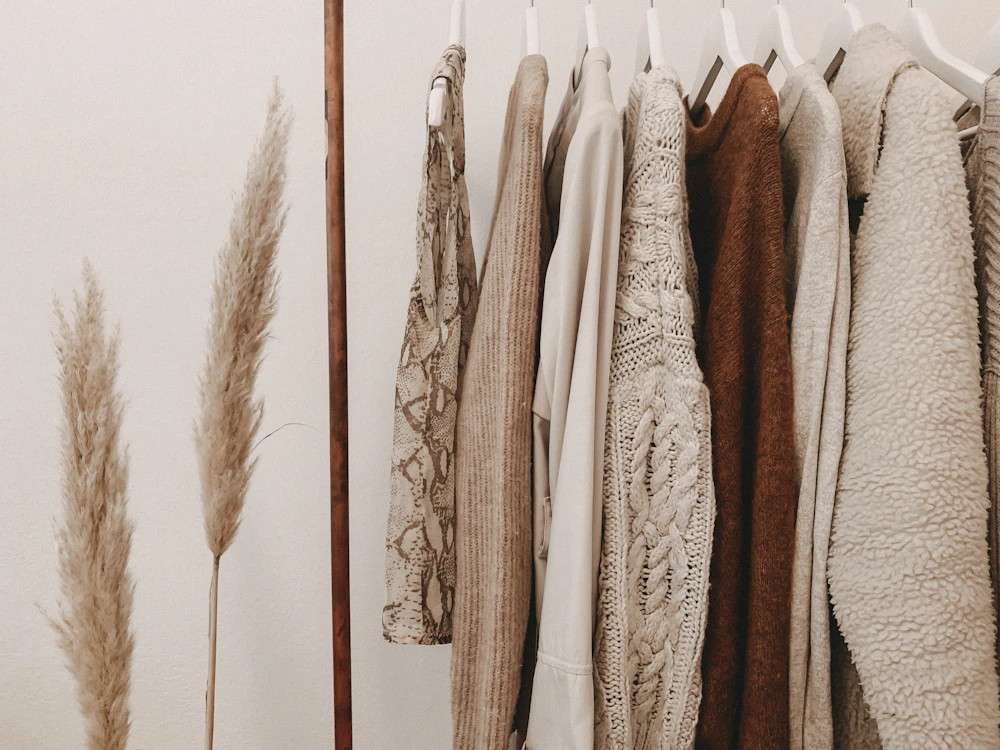
Browsing a thrift store is a form of moving meditation. You have to slow down. You have to touch the fabrics, look at the labels, and imagine how an object might fit into your life. You are forced out of the "autopilot" mode of modern consumption and into a state of "Slow Looking."
This unpredictability is actually a stress-reliever. It removes the pressure to "find the perfect thing" and replaces it with the curiosity of "seeing what’s there." In this state of curiosity, the prefrontal cortex (the "planning" brain) can take a backseat, allowing the more creative, intuitive parts of your mind to take over.
The "Narrative Value" of Second-Hand Items
Every item in a thrift store has a history. It had a previous life, a previous owner, and a previous story. When we buy second-hand, we are engaging in story-telling.
Psychologists have found that we feel more connected to objects that have a "narrative." This is why a vintage watch feels more meaningful than a brand-new one from a department store. By bringing these items into our homes, we are adding our own chapter to their story. This creates a sense of continuity and "environmental soul" that mass-produced items lack.
Ethical Wellness: The "Circular Economy" Boost
We cannot talk about wellness without talking about the health of the planet. "Eco-anxiety" is a real and growing phenomenon, especially among younger generations. One of the best ways to combat the feeling of helplessness regarding the climate is to take tangible action in our daily lives.
Thrifting is a radical act of sustainability.
- Waste Reduction: Every thrifted item is one less piece of clothing in a landfill.
- Resource Conservation: It takes roughly 700 gallons of water to make one new cotton T-shirt. By buying used, you are "saving" those resources.
- Breaking Fast Fashion: Thrifting denies revenue to the fast-fashion industry, which is notorious for poor labor practices and environmental degradation.
This ethical alignment produces a sense of "integrity wellness." When your actions (your shopping habits) align with your values (protecting the earth), you experience a reduction in cognitive dissonance and an increase in overall life satisfaction.
How to Thrift for Mental Health (Not Just Stuff)
If you want to turn your next thrifting trip into a wellness practice, try these tips:
- Set a "Curiosity Goal," Not a "Purchase Goal": Go in with the intention of finding three interesting things, not necessarily buying them.
- Touch Everything: Engage your tactile senses. Feel the weight of the glass, the weave of the wool, and the texture of the wood.
- The "One-In, One-Out" Rule: To keep your home from becoming cluttered (which is bad for mental health), commit to donating one item for every thrifted item you bring home.
- Go Solo: Thrifting is often better as a solo activity. It allows you to move at your own pace and follow your own "dopamine trail" without distraction.
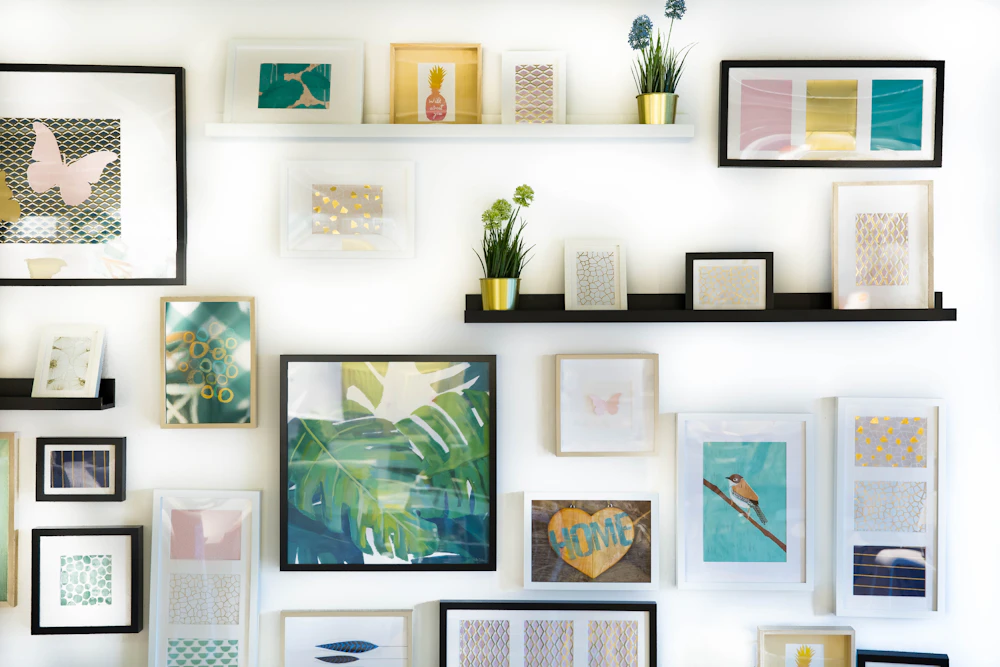
- Look for "High-Touch" Items: Focus on things you will interact with daily—a favorite mug, a linen shirt, or a solid wood picture frame.
Key Takeaways
- Foraging Brain: Thrifting taps into our ancestral reward systems, providing a "healthy" dopamine hit.
- Mindful Consumption: Slow, unpredictable browsing acts as a mental reset from algorithmic shopping.
- Integrity Wellness: Aligning your consumption habits with your environmental values reduces stress.
- Narrative Connection: Objects with a "past" provide a deeper sense of meaning and continuity in the home.
- Creative Spark: Combining mismatched items encourages personal style and creative thinking.
Actionable Advice
- The Weekend Wander: Dedicate two hours this Saturday to a thrift store you’ve never visited. Leave your phone in the car to fully engage with the environment.
- Learn a Label: Research one high-quality vintage brand or material (like "L.L. Bean Made in USA" or "Pure Irish Linen"). Use your next trip to try and find it.
- Thrift Your Gifts: For the next birthday in your circle, try to find a unique, high-quality second-hand gift. Explain the "narrative value" in the card.
- DIY a "Find": Buy one piece of thrifted furniture or clothing that needs a small repair or a "glow up." The act of "saving" an object provides a massive sense of accomplishment.
- Community Connection: Talk to the staff at the thrift store. Often, these shops are run by volunteers or support local charities. Learning about the "cause" adds another layer of wellness to your purchase.
Further Reading
If you're interested in sustainable living and the psychology of the home, check out these articles:
- Digital Minimalism: Reclaiming Your Life from the Algorithm
- The Art of Hosting a Clothing Swap: Social and Ethical Wellness
- Dopamine Decor: How to Style Your Home for Happiness
- The Psychology of Comfort Shows: Why We Crave Familiarity
Author Bio: Alex Rivera is a Health & Fitness Blogger who believes that wellness is found in the intersections of movement, sustainability, and personal style. He is an avid thrifter and believes that the best "workout" is a four-hour trek through a massive antique mall.
(Word count: ~1560 words)