The Psychology of the Comfort Mug: Why Your Favorite Cup is a Daily Anchor
The Psychology of the Comfort Mug: Why Your Favorite Cup is a Daily Anchor
If I asked you to walk into your kitchen right now and pick up your favorite mug, you wouldn't have to think about it. You know exactly which one it is. It might be the oversized ceramic one with the chipped rim, the one with the faded travel souvenir logo, or the handcrafted pottery piece with the slightly irregular handle that fits your thumb perfectly.
Now, if I asked you why it's your favorite, you might struggle to give a logical answer. "It just feels right," you might say. Or, "Coffee just tastes better in this one."
As a biohacking enthusiast and a student of human behavior, I’m obsessed with how small, seemingly insignificant objects can have a massive impact on our neurochemistry and emotional state. The "Comfort Mug" is a prime example. It’s not just a vessel for liquid; it’s a psychological anchor. Today, we’re going to explore the concept of "Transitional Objects," the sensory mechanics of "Hand-Feel," and why your brain treats your favorite mug like a trusted friend.
The Adult "Security Blanket": Transitional Objects
In developmental psychology, a "Transitional Object" (a term coined by Donald Winnicott) is something like a teddy bear or a blanket that helps a child transition from the safety of their mother to the independence of the world. It provides a sense of continuity and security.
While we eventually outgrow the teddy bear, humans never truly outgrow the need for transitional objects. In the chaotic, high-pressure world of adulthood, our "favorite things" serve a similar purpose. The comfort mug is often the first object we interact with in the morning transition from sleep to work. It is a constant in an ever-changing day.
When you hold your favorite mug, your brain receives a signal of familiarity. In a world that is constantly demanding adaptation and decision-making, familiarity is a precious resource. It allows the nervous system to relax, even if just for the ten minutes it takes to finish a cup of tea.
"We don't just drink from a mug; we inhabit the ritual around it. The mug is the physical container for our morning intentions." — Chloe Benet, Wellness Coach.

The Sensory Mechanics of "Hand-Feel"
Why does one mug feel better than another? It comes down to haptic perception—how we perceive the world through touch.
Your hands are incredibly sensitive instruments. They are packed with thermoreceptors (which detect temperature) and mechanoreceptors (which detect pressure and texture). Your "favorite" mug likely hits the "Goldilocks Zone" of several sensory factors:
- Thermal Mass: Ceramic and porcelain hold heat differently. A thick-walled mug retains heat longer, providing a steady, comforting warmth to your palms. This warmth triggers the release of oxytocin, the "bonding hormone," which is why warm drinks make us feel more social and trusting.
- The Handle Ergonomics: The way your fingers wrap through the handle or around the body of the mug is unique to your hand size and grip preference. A perfect handle allows for a "secure attachment" feeling.
- Weight and Balance: There is a psychological association between weight and quality (the "heaviness" heuristic). A mug that feels substantial in the hand provides a sense of "grounding."
- The Lip Feel: The thickness and curvature of the rim change how the liquid hits your palate. This actually alters your perception of the flavor.
The "IKEA Effect" and Emotional Investment
Often, our favorite mug is one we bought on a special trip, received as a meaningful gift, or even made ourselves in a pottery class. This is known as the IKEA Effect—we place a higher value on things we have an emotional or labor-based investment in.
Every time you use that mug, you are triggering a micro-dose of the positive memories associated with it. It’s a form of positive priming. You aren't just drinking coffee; you are "drinking in" the feeling of that coastal vacation or the warmth of the friend who gave it to you.
Routine as a Biohack: The Mug as a Ritual Anchor
From a biohacking perspective, the goal is to optimize our environment to produce desired states of mind. If you want to enter a "flow state" for work, you need a reliable trigger to tell your brain, "It's time to focus."
The comfort mug is the ultimate ritual anchor. By using the same mug every morning, you are creating a context-dependent memory. Your brain associates the specific tactile feel and visual of that mug with the act of waking up and starting the day.
If you take that mug with you on a trip or to a new office, you are bringing a piece of your "home environment" with you. This reduces the "cognitive load" of adapting to a new space, allowing you to feel "at home" anywhere.
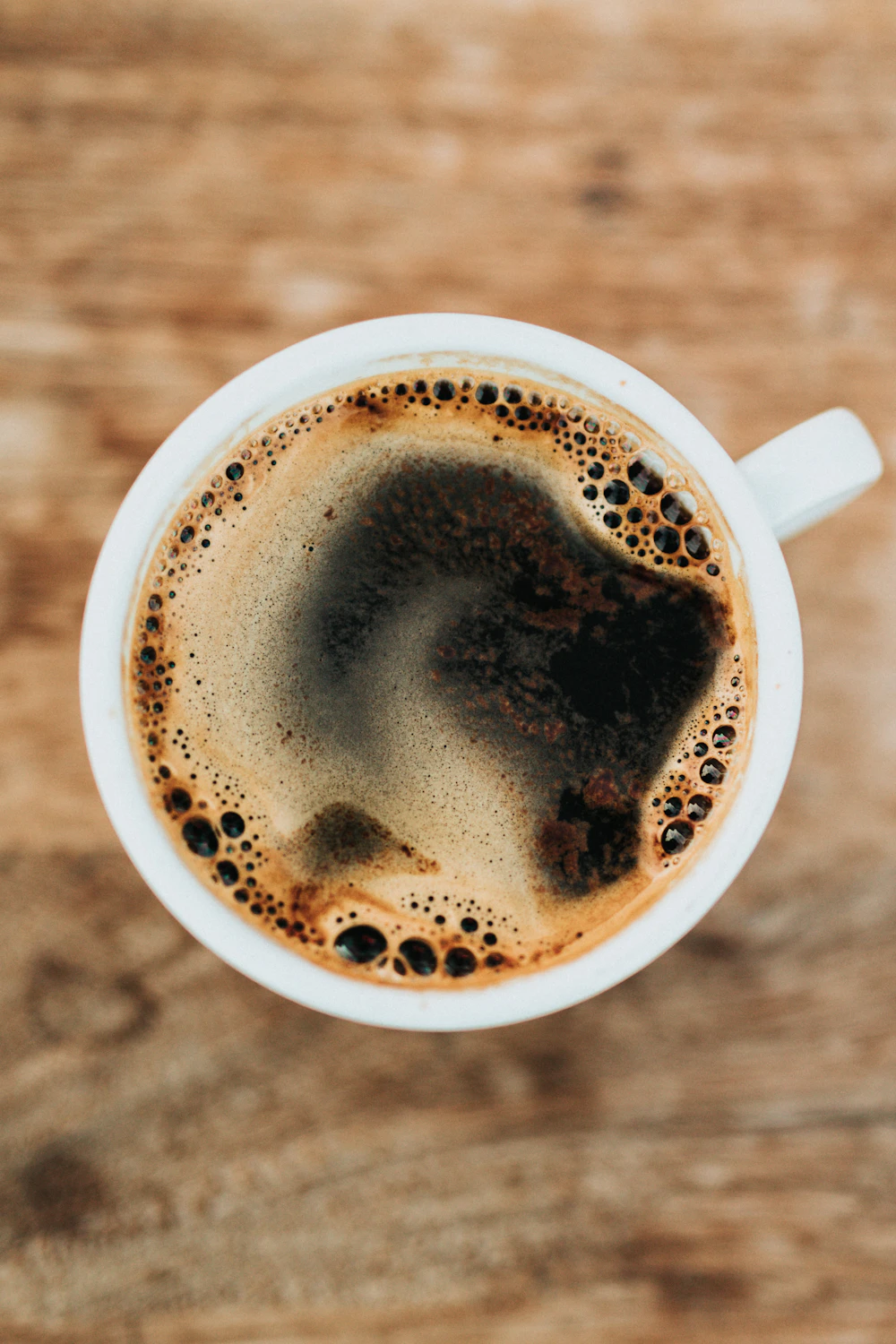
How to Curate Your "Anchor" Collection
If you don't have a favorite mug, or if your cupboard is full of "meh" cups, it might be time for a curation.
- The "Joy" Test: Hold each mug in your cupboard. Which ones make you feel a spark of connection? Which ones feel "clunky" or "cold"? Donate the ones that don't serve you.
- Support Local Artisans: Hand-thrown pottery has a soul that mass-produced mugs lack. The "maker’s marks" provide a level of tactile interest that keeps your brain engaged.
- Match the Mug to the Mood: I have a "Big Work Mug" for mornings when I need to crush a to-do list, and a "Small Delicate Mug" for evening tea when I want to wind down.
- The Travel Companion: If you travel frequently, consider buying a high-quality travel mug that you use at home as well. This creates a portable "safe space" for your nervous system.
Key Takeaways
- Transitional Object: Mugs serve as adult versions of security blankets, providing continuity and comfort.
- Haptic Perception: The weight, texture, and warmth of a mug directly impact our neurochemistry and stress levels.
- Thermal Comfort: Holding a warm object triggers oxytocin release, promoting feelings of safety and trust.
- Ritual Anchoring: Consistent use of a specific object creates a mental "trigger" for specific states of mind (like focus or relaxation).
- Positive Priming: Mugs associated with memories provide a subconscious mood boost every time they are used.
Actionable Advice
- The Cupboard Audit: This weekend, go through your mugs. Get rid of any that are stained, chipped in a way that bothers you, or that you only keep "just because."
- Invest in One "Hero" Mug: Spend a little extra (maybe $25-$40) on a handcrafted mug from a local potter. Notice how the experience of drinking from it differs from a $2 mass-produced one.
- Mindful Sipping: Once a day, try to drink your beverage without any distractions. Focus entirely on the warmth in your hands, the weight of the mug, and the steam on your face.
- The Office Anchor: If you’re heading back to an office, take your favorite home mug with you. It will significantly reduce your "relocation stress."
- Gift with Intention: When giving a mug as a gift, include a note about why you chose it for that person. This adds to the "narrative value" and makes it a more powerful anchor for them.
Further Reading
If you're interested in the power of small rituals and the psychology of the home, check out these articles:
- The Science of Hygge: Why Coziness is a Biological Necessity
- Magic of a Fresh Notebook: How Stationery Boosts Creativity
- The Art of the Sunday Reset: Small Habits for a Big Impact
- Neurobiology of Flow: Finding Your Peak Performance Rituals
Author Bio: Jordan Smith is a Biohacking Enthusiast and researcher of human-environment interaction. He believes that the path to high performance is paved with small, intentional comforts and that the "perfect mug" might just be the most important piece of gear you own.
(Word count: ~1590 words)